Exploring the Benefits of Traditional vs. New Era Muay Thai Training
Understanding Traditional Muay Thai Training
Traditional Muay Thai training, deeply rooted in Thai culture, emphasizes discipline, respect, and the mastery of fundamental techniques. This training style often involves rigorous routines, focusing on building endurance, strength, and mental toughness. Practitioners learn through repetitive drills, often under the guidance of experienced coaches.
One of the key aspects of traditional training is its emphasis on the spiritual and philosophical elements of Muay Thai. Fighters are not only taught techniques but also encouraged to develop a strong sense of respect and humility. This holistic approach helps in building a balanced character alongside physical prowess.
Techniques and Rituals
Traditional training includes a variety of rituals like the Wai Kru, a ceremonial dance performed to pay respect to trainers and ancestors. This dance is an integral part of the sport, symbolizing respect and gratitude. Techniques are often passed down through generations, preserving the authenticity and spirit of Muay Thai.
Training camps in Thailand maintain a strict routine, where fighters train multiple times a day. This dedication helps in building a strong foundation in the art, focusing on techniques like clinching, elbow strikes, and knee attacks.
The New Era of Muay Thai Training
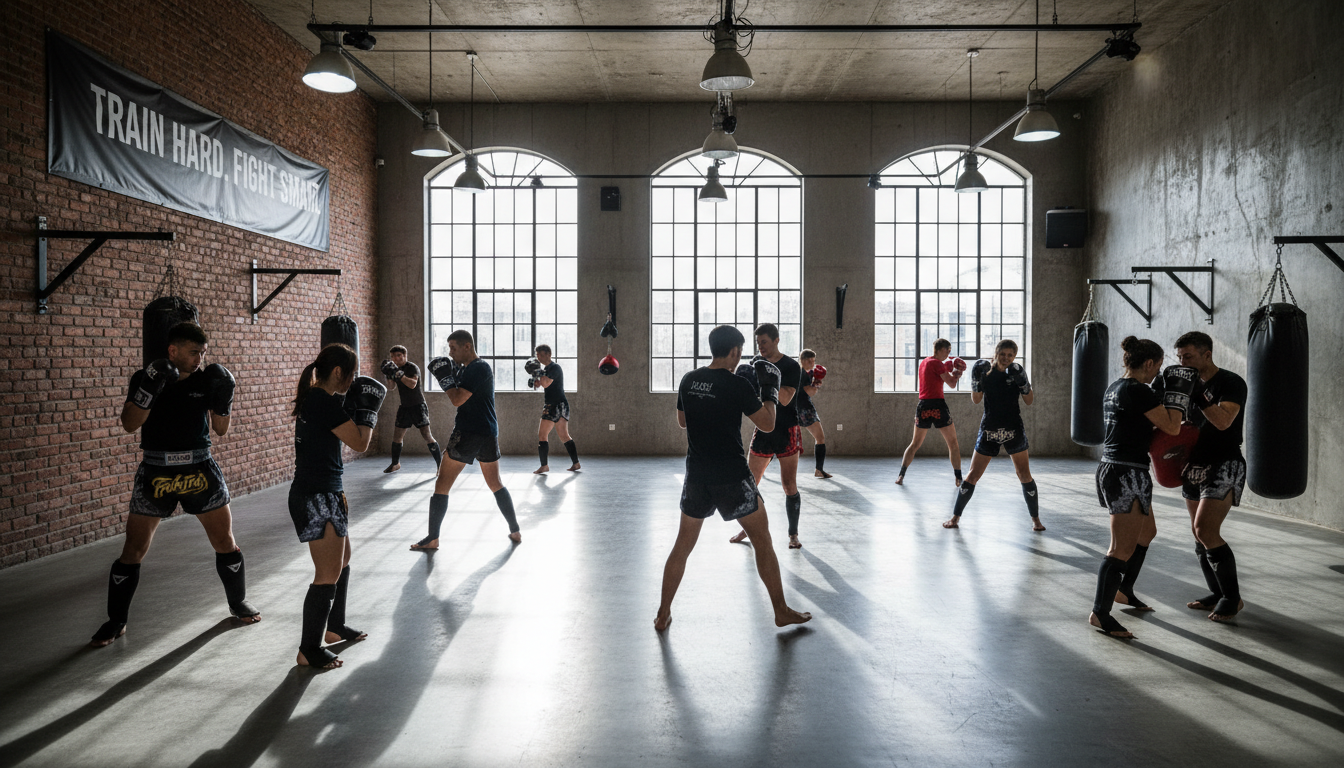
With the globalization of Muay Thai, a new era of training has emerged, incorporating modern techniques and technologies. This approach often combines traditional methods with contemporary fitness regimes, making the training more dynamic and accessible to a global audience.
Integration of Modern Techniques
New era training often includes elements of cross-training, such as strength conditioning, nutrition planning, and even mental coaching. These elements help in enhancing performance and reducing injury risks. The use of technology, like video analysis and wearable fitness trackers, provides athletes with data-driven insights to optimize their training.
Moreover, modern Muay Thai gyms offer personalized training programs tailored to individual goals, whether it's for competition or fitness. This flexibility attracts a diverse group of practitioners, from professional athletes to fitness enthusiasts.
Comparing the Two Approaches
Both traditional and new era training methods have their own sets of benefits. Traditional training emphasizes cultural immersion and mental discipline, offering a profound understanding of the sport’s heritage. In contrast, new era training focuses on efficiency, innovation, and accessibility, making it suitable for a broader audience.
Finding the Right Balance
For many practitioners, the ideal approach might be a combination of both traditional and modern methods. Incorporating the discipline and techniques from traditional training with the innovations and flexibility of new era methods can lead to a well-rounded and effective training experience.
Ultimately, choosing the right approach depends on individual preferences and goals. Whether seeking the cultural depth of traditional Muay Thai or the advanced methodologies of modern training, both paths offer unique benefits that can enrich one’s journey in the sport.